Key Components of the Crucible Viewing Guide

Students explore the 1996 film‚ noting key plot points‚ character motives‚ and historical accuracy. The guide offers 25 targeted questions‚ an answer key‚ and reflective prompts that encourage critical thinking about groupthink‚ peer pressure and moral choices. Students examine film’s score noting tension.

Overview of the Movie Adaptation
The 1996 film adaptation of Arthur Miller’s classic drama‚ directed by Michael Apted‚ translates the Salem witch trials onto a cinematic canvas that balances historical fidelity with dramatic intensity. The guide’s answer key highlights the film’s key narrative beats‚ such as the initial accusation of Abigail Williams‚ the escalating hysteria that consumes the town‚ and the climactic courtroom showdown where John Proctor confronts his conscience. Students are prompted to identify how the film’s visual style—its stark lighting‚ period costumes‚ and claustrophobic set design—reinforces the oppressive atmosphere of 1692 Salem. The guide also encourages analysis of the performances‚ noting how Daniel Day‑Lewis’s portrayal of Proctor conveys internal conflict‚ while Winona Ryder’s Abigail embodies manipulative charisma. By comparing the film’s pacing to the original stage play‚ the answers reveal how the director condenses complex dialogue into concise‚ emotionally charged scenes. The overview also addresses the film’s score‚ composed by Trevor Jones‚ which underscores the narrative’s tension and moral ambiguity. Finally‚ the guide situates the movie within the broader context of 1990s American cinema‚ noting its PG‑13 rating and its role in making Miller’s work accessible to contemporary audiences. The guide’s answer key encourages students to reflect on the moral dilemmas faced by the characters‚ prompting them to consider how fear and ambition can distort truth‚ and how individual courage can challenge collective hysteria. Legacy
Main Characters and Motivations
In the 1996 film‚ the guide’s answer key dissects each principal figure‚ linking their actions to underlying motives. John Proctor‚ portrayed by Daniel Day‑Lewis‚ is driven by a desperate desire to preserve his integrity and protect his wife‚ Elizabeth‚ even when the court demands a confession. The guide notes how Proctor’s internal struggle—his guilt over an affair and his fear of losing his reputation—propels him to ultimately refuse the lie. The guide highlights Abigail’s use of spectral evidence and her ability to sway the townspeople‚ illustrating how ambition can corrupt morality. Reverend Hale‚ portrayed by Paul Scofield‚ begins as a rational scholar but becomes increasingly convinced of the supernatural‚ driven by a genuine belief in the devil’s presence. The guide emphasizes Hale’s shift from skepticism to zealotry‚ noting his eventual disillusionment after witnessing the court’s injustice. Tituba‚ portrayed by Angela Bassett‚ is motivated by survival; her confession is a strategic move to protect herself and her family. Elizabeth Proctor‚ played by Mary McDonnell‚ is motivated by loyalty and a protective instinct toward her husband‚ yet her silence reflects fear of the court’s wrath. Giles Corey‚ portrayed by William H. Macy‚ is motivated by a steadfast commitment to truth and a willingness to endure torture for justice. Judge Danforth‚ played by William Hurt‚ is motivated by a rigid adherence to law and a fear of being seen as weak. By mapping each character’s motivations‚ the answer key encourages students to analyze how personal insecurities and societal pressures converge to fuel the Salem hysteria. Students also examine how motivations shift over time.
In the 1996 film‚ the guide’s answer key outlines the sequence of events that drive the narrative. The opening scene shows a group of girls‚ led by Abigail Williams‚ dancing in the woods; their accusations begin when Tituba is accused of witchcraft‚ sparking a chain reaction. The guide notes the pivotal moment when John Proctor confronts Reverend Hale‚ revealing his affair with Abigail and his refusal to name her. Students examine the court’s dramatic cross‑examination of Proctor‚ the revelation of his confession and the subsequent confession of Elizabeth. The guide highlights the turning point when Hale realizes the court’s corruption and publicly denounces the proceedings. The climax occurs when Proctor chooses to sign a false confession‚ then later resists‚ ultimately leading to his execution. The guide’s answer key emphasizes the film’s use of flashbacks to illustrate Proctor’s past and the thematic weight of the final scene in which he faces the gallows. By mapping these key scenes‚ the guide helps students understand the film’s pacing‚ character arcs‚ and the escalating tension that culminates in Salem’s tragedy.
The film’s cinematography captures the oppressive atmosphere of Salem‚ using muted tones and tight framing to emphasize the claustrophobia of the trials. The soundtrack‚ composed by John Williams‚ underscores the tension with a score that echoes the era’s religious fervor. Students are encouraged to note how the film’s pacing mirrors the escalating hysteria‚ culminating in a climax that forces viewers to confront the consequences of unchecked fear. The ending leaves a lasting impression of moral ambiguity!!!!!
Themes Explored in the Film
The 1996 adaptation of Arthur Miller’s classic delves deeply into the corrosive power of hysteria‚ the fragility of reputation‚ and the moral cost of conformity. It shows how fear can warp reason‚ turning neighbors into enemies and a community into a courtroom of judgment. The film’s portrayal of Abigail Williams as a catalyst reveals the destructive potential of unchecked ambition and manipulation. John Proctor’s internal struggle embodies the theme of personal integrity versus societal pressure‚ as he wrestles with the choice between self‑preservation and truth. The narrative also interrogates the role of authority‚ especially through Reverend Hale‚ who evolves from a zealous supporter of the trials to a disillusioned critic‚ illustrating how institutions can both enforce and challenge injustice. The tension between individual conscience and collective identity is highlighted by the court’s reliance on testimony‚ which often reflects personal vendettas rather than facts. Finally‚ the film underscores the enduring relevance of its themes by linking Salem’s tragedy to contemporary issues of mass panic‚ scapegoating‚ and the erosion of civil liberties during crises. By confronting these ideas‚ viewers are invited to reflect on the dangers of groupthink‚ the importance of critical thinking‚ and the enduring necessity of standing up for truth even when it costs one’s life.
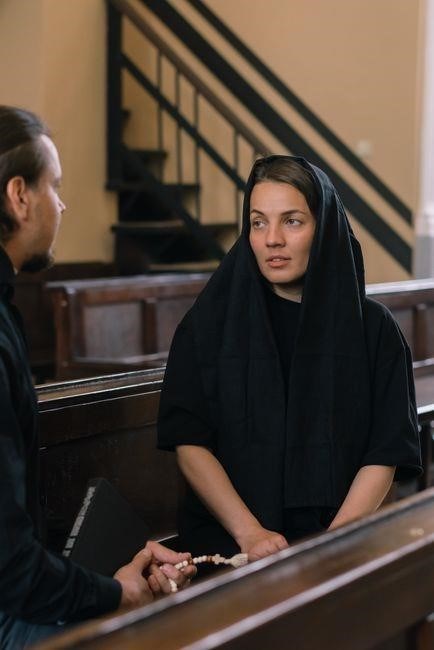
Lighting and sound heighten the claustrophobic atmosphere‚ showing how fear amplifies through sensory cues. The blackened candle motif symbolizes the loss of reason‚ while echoing courtroom chants echo Salem’s collective hysteria. The film warns!!! The film’s visual cues underscore how media can shape perception now. Its visuals and score leave an impression‚ reminding viewers that fear deeply runs in human history today!
Historical Context of Salem 1692
The 1692 Salem witch trials unfolded in a Puritan New England community where religious fervor‚ social tensions‚ and personal rivalries converged. A series of unexplained illnesses among young girls sparked accusations that quickly spiraled into a judicial frenzy. The colonial court‚ guided by the Massachusetts Bay Colony’s legal framework‚ allowed judges to accept visions as evidence. Over 200 people were accused‚ 19 executed‚ and many more suffered imprisonment or social ostracism. Economic disparities‚ land disputes‚ and gender dynamics fueled the hysteria‚ as women’s voices were suppressed and male authority unchallenged. The trials reflected broader European witch‑hunt anxieties‚ yet were uniquely shaped by the colony’s rigid moral code and fear of divine judgment. The aftermath prompted legal reforms‚ including the abolition of spectral evidence‚ and left a lasting legacy on American legal and cultural consciousness. The trials were also shaped by the colony’s legal framework‚ allowing judges to accept and visions as evidence. Many accused were women of lower socioeconomic status‚ whose livelihoods were already precarious. The fear of the supernatural was compounded by the harsh Puritan belief that the devil was actively persecuting the community. In response‚ the colony enacted the infamous “Act for the Punishment of Witchcraft‚” which codified the legal procedures and penalties. The trials left a profound impact on Salem’s collective memory‚ prompting later generations to question the limits of justice‚ and the dangers of moral panic. Today‚ the Salem witch trials serve as a cautionary tale‚ reminding society that fear can override reason‚ and that the pursuit of truth requires vigilance against the seductive power of groupthink!!!
Critical Reception and Impact
The 1996 cinematic adaptation of Arthur Miller’s seminal play received a nuanced critical reception that balanced admiration for its historical fidelity with scrutiny of its contemporary execution. Reviewers praised the film’s atmospheric set design‚ which convincingly recreated the austere Puritan environment‚ and highlighted the ensemble cast’s nuanced performances‚ especially the lead’s portrayal of the conflicted Reverend. The director’s restrained pacing was lauded for allowing thematic depth to surface‚ though some critics felt the narrative’s emotional intensity was muted compared to the stage version. Box‑office returns were modest‚ yet the film cultivated a cult following among educators and theater enthusiasts who valued its fidelity to Miller’s original dialogue. Academics cited the film’s influence on modern interpretations of the Salem witch trials‚ noting its role in sparking renewed public interest in the historical event. The adaptation also shaped subsequent media portrayals‚ encouraging a trend toward historically grounded‚ character‑driven storytelling in period dramas. In classrooms‚ the film’s availability across multiple platforms facilitated its integration into curricula‚ prompting discussions about moral responsibility‚ the dangers of mass hysteria‚ and the intersection of law and faith. The film’s legacy endures as a reference point for debates on artistic interpretation versus historical accuracy‚ and it continues to be cited in scholarly works examining the evolution of American theater adaptations in cinema. Overall‚ the film’s reception underscores the enduring relevance of Miller’s themes and the power of visual media to shape collective memory of a pivotal moment in American history Legacy Now

Answer Key and Analysis Resources
The guide offers a comprehensive answer key for the 25‑question worksheet‚ yet many responses are intentionally open‑ended to foster personal interpretation. Teachers can download the PDF‚ fill it digitally‚ and use the key to discuss diverse perspectives on character motives and plot twists. Use it. for.
Complete Answer Key for Worksheet
The downloadable answer key for the 1996 film adaptation of The Crucible contains concise responses to each of the 25 guided questions. It highlights pivotal scenes—such as the opening courtroom confrontation‚ the pivotal “witch‑craft” confession‚ and the climactic execution—providing context for character motives and thematic relevance. For instance‚ the key explains why Reverend Hale’s shift from skepticism to conviction is driven by personal guilt and the pressure of community expectations. It also details how Abigail’s manipulation of the girls’ hysteria is rooted in her desire for power and revenge‚ and how John Proctor’s moral dilemma illustrates the conflict between personal integrity and social survival; Each answer is crafted to encourage discussion rather than rote memorization‚ offering multiple angles for interpretation. Teachers can use the key to facilitate deeper analysis of groupthink‚ peer pressure‚ and the consequences of false testimony. The PDF format allows for easy printing‚ and the digital version can be annotated for classroom collaboration. By comparing the key’s explanations with the film’s visual cues‚ students gain a richer understanding of how historical events are dramatized and how narrative choices shape audience perception. The answer key also includes brief annotations on the film’s score‚ cinematography‚ and costume design‚ linking them to the emotional tone of key scenes. This resource is designed to support both individual reflection and guided discussion‚ ensuring that learners can articulate their insights while appreciating the complexity of the source material. Students are encouraged to cross‑reference the answer key with their own notes‚ noting discrepancies that spark debate about interpretation‚ thereby structure !
Sample Reflection and Essay Questions
Use these prompts to guide discussion and written responses. They focus on character motives‚ thematic depth‚ and historical accuracy‚ encouraging students to interpret scenes and dialogue.
- Reflection: How does John Proctor’s conflict illustrate the clash between personal integrity and community pressure?
- Reflection: In what ways does Abigail manipulate the girls‚ and what are the consequences for Salem?
- Analytical Essay: Compare the film’s depiction of the trials with historical facts. Identify one dramatized element.
- Analytical Essay: Discuss gender roles in the film. How do male and female characters experience power differently?
- Analytical Essay: Examine how lighting and sound in courtroom scenes reinforce paranoia.
- Comparative Analysis: Contrast the film’s ending with the play’s conclusion. What shift is evident?
- Comparative Analysis: Assess how the film’s score influences emotional pacing.
- Reflection: How does the film address moral courage? Cite a scene.
- Reflection: Discuss the significance of setting choices in creating oppressive atmosphere.
- Analytical Essay: Evaluate the portrayal of justice. Does the film critique the legal system?
These prompts can be adapted for group work or essays‚ providing a structured approach to analyzing the film’s narrative and themes.
(A B)
PDF and Digital Download Options
Access the Crucible Viewing Guide in multiple formats to suit classroom needs. The official PDF version is a six‑page‚ fillable worksheet that includes the full set of 25 questions‚ a concise answer key‚ and space for students to record their own interpretations. This file can be downloaded directly from the publisher’s website or from the K‑12 Movie Guides repository‚ where it is available in both PDF and editable Word formats. For teachers who prefer a lightweight option‚ a plain‑text version is also provided; it preserves the question structure while allowing for easy conversion to other media. All versions are free of charge and come with a short user guide that explains how to integrate the worksheet into lesson plans‚ create discussion prompts‚ and assess student responses. In addition‚ a digital‚ interactive version is available on the school’s learning management system‚ enabling students to submit answers electronically and receive instant feedback. The downloadable resources are fully compatible with screen‑reading software‚ ensuring accessibility for all learners. Download links are listed below‚ each accompanied by a brief description of the file type and recommended use case. Teachers can also print the PDF for hand‑out or use the digital version in a flipped‑classroom setting. The guide includes a sidebar that lists key historical dates and a glossary of terms used in the film‚ helping students contextualize the narrative. The answer key is designed to be flexible; while it provides definitive answers‚ it encourages educators to adapt responses to fit their students’ analytical depth. For those who wish to create custom quizzes‚ the source files are available in editable format‚ allowing modifications to question wording or the addition of new prompts. The guide’s licensing terms permit classroom use‚ but redistribution beyond the school is restricted. All files are hosted on secure servers‚ ensuring that downloads remain safe and virus‑free. The PDF is optimized for both high‑resolution printing and on‑screen viewing‚ with clear headings‚ numbered questions‚ and ample margin space for handwritten notes.
Differences Between Play and Film
While Arthur Miller’s 1953 stage play and the 1996 film adaptation share core plot and themes‚ the viewing guide highlights several notable distinctions.

The film condenses the original 12‑act structure into a 105‑minute runtime‚ trimming sub‑plots such as the extended dialogue between Reverend Hale and Elizabeth.
Visual storytelling replaces many of Miller’s monologues; the camera’s close‑ups capture subtle facial shifts that the stage version relies on stage direction to convey.
The film’s score‚ composed by John Williams‚ amplifies tension in scenes that were originally silent‚ and the use of period costumes and set design provides a more immersive historical context.
Additionally‚ the film introduces a new character‚ Abigail’s older sister‚ to deepen the backstory of the Salem accusations.
The guide’s answer key points out that the play’s ending is more ambiguous‚ whereas the film offers a slightly more definitive resolution with a final courtroom scene.
These differences influence how students interpret character motivations and moral stakes‚ and the guide encourages discussion on how adaptation choices shape audience perception.
Students compare specific scenes‚ noting how the film’s visual cues change the emotional impact of the play’s dialogue. The guide’s answer key shows that the film’s tighter pacing heightens suspense‚ while the play’s monologues allow character insight. Analyzing these differences reveals how medium deeply shapes storytelling.

Students analyze how the film’s use of lighting and sound heightens tension compared to the play’s reliance on dialogue. The guide’s answer key highlights that the film’s tighter pacing creates a sense of urgency‚ while the play’s extended monologues provide deeper insight into characters. Students note how cues shift tone more.
Groupthink and Peer Pressure Analysis
Students examine the film’s depiction of collective hysteria‚ noting how characters succumb to social conformity. The guide’s 25 questions probe specific scenes—such as the town’s collective confession‚ the courtroom’s escalating accusations‚ and Abigail’s manipulation of fear. Answers emphasize the psychological mechanisms of groupthink: normative influence‚ informational overload‚ and the illusion of unanimity. Students compare the play’s dramatic monologues with the film’s visual cues‚ noting how rapid dialogue and close‑up shots intensify the pressure to conform. The answer key highlights key moments where characters‚ like John Proctor‚ resist the mob’s logic‚ illustrating the tension between individual conscience and societal expectation. Discussion prompts ask students to identify the role of authority figures‚ such as Reverend Hale‚ in either mitigating or amplifying the pressure. By mapping these dynamics onto contemporary examples—school cliques‚ social media trends‚ or workplace cultures—students gain insight into the enduring relevance of Miller’s warning. The guide encourages reflective writing on how peer pressure can distort truth‚ and how critical thinking can counteract it. The final section invites group debate on whether the film’s portrayal is more or less effective than the play’s‚ fostering deeper analysis of narrative techniques and moral stakes. Students are prompted to reflect on how modern social dynamics mirror the film’s depiction of fear‚ illustrating the timeless danger of unchecked conformity today. Now!!!
Teaching Resources and Classroom Activities
Teachers can integrate the provided answer key into lesson plans by assigning pre‑view questions that activate prior knowledge. A common activity is a “confession card” where students write a brief statement of guilt or innocence‚ then compare their responses with the film’s outcomes to discuss bias. Another method is a role‑play debate: students assume the roles of key figures—John Proctor‚ Abigail Williams‚ Reverend Hale—and argue their motives before the court‚ using the guide’s prompts to structure arguments.
For collaborative learning‚ create a “hysteria timeline” on a classroom wall‚ marking pivotal scenes and noting how groupthink escalates. Use the guide’s 25 questions as checkpoints for group discussion‚ encouraging students to cite specific dialogue or visual cues. A digital extension involves students editing a shared Google Doc‚ annotating the film’s key scenes and linking them to the answer key’s insights.
Assessment can be formative: after viewing‚ students complete a short reflective essay prompted by the guide’s questions‚ then peer‑review using a rubric that values critical analysis of peer pressure. A summative project might involve designing a modern “witch trial” scenario‚ applying the film’s themes to contemporary social media controversies‚ and presenting findings in a multimedia format.
Resources: downloadable PDF of the answer key‚ printable worksheets‚ and a curated list of supplementary videos on Salem’s history. Teachers can also access the “Groupthink” module on the school’s LMS‚ which includes interactive quizzes aligned with the guide’s content. These tools support differentiated instruction‚ allowing advanced students to explore deeper philosophical questions while others focus on narrative comprehension.