Monthly Archives: August 2026

ged reading practice test pdf

GED reading practice tests in PDF format provide a realistic, accessible way to hone comprehension skills. By mimicking the official exam layout, students can practice identifying main ideas, analyzing arguments, and applying critical reading strategies in a familiar setting. Practice regularly.!

Overview of the GED Reading Section

The GED Reading section evaluates a student’s ability to interpret, analyze, and evaluate written passages across diverse genres. In a typical test, candidates encounter a mix of short informational texts, opinion pieces, and literary excerpts. Each passage is followed by a series of questions that probe comprehension, inference, and critical reasoning. The format mirrors the official GED exam, with multiple‑choice items that require careful attention to detail and the ability to distinguish subtle differences in meaning. By practicing with PDF versions of these passages, learners can familiarize themselves with the exact layout, timing constraints, and question styles that will appear on test day. PDFs preserve the original formatting, allowing students to practice skimming headings, noting key phrases, and annotating margins—skills that are essential for efficient reading under time pressure; Moreover, downloadable PDF practice sets often include answer keys and explanations, giving immediate feedback on reasoning and strategy. Consistent exposure to this structured format helps build confidence, improve speed, and refine analytical techniques, all of which are critical for achieving a high score in the GED Reading assessment.

Students often find the Reading section challenging because it tests literal comprehension and the ability to discern author intent, evaluate evidence, and synthesize information across passages. Effective strategies include spotting the main idea early, noting supporting details, and marking transitions that signal argument shifts. PDF practice tests provide a realistic setting where learners can experiment with highlighting, timing responses, and reviewing explanations for mistakes. Repeated practice builds a systematic approach that improves speed and accuracy. Practice!!

Why Use PDF Formats for GED Reading Practice

PDFs preserve the exact layout of official GED reading passages, enabling realistic practice. They’re portable, searchable, and free from formatting glitches, allowing students to annotate, time themselves, and review answers instantly. Consistent use builds confidence and reading fluency readiness.

Advantages of PDF Practice Tests

Using PDF files for GED reading practice offers several key benefits that enhance preparation. PDFs maintain the original formatting of official test passages, ensuring that spacing, line breaks, and paragraph structure mirror the real exam. This consistency helps students develop accurate reading rhythms and reduces the risk of misinterpreting questions due to layout changes. PDFs are universally accessible; any device with a PDF reader can open them, making it easy to practice on the go, whether on a laptop, tablet, or smartphone. The static nature of PDFs means that the content does not shift when scrolling or zooming, allowing learners to focus solely on comprehension rather than on adjusting to dynamic web pages. Additionally, PDFs can be annotated directly—highlighting key points, adding margin notes, and marking difficult sections—providing a tactile study experience that many find engaging. Search functionality within PDFs lets students quickly locate specific terms or phrases, aiding targeted review of vocabulary or concepts. Because PDFs are downloadable, they can be stored offline, ensuring uninterrupted study sessions even without internet access. Finally, many official GED practice PDFs are free or low-cost, offering a cost‑effective alternative to paid practice platforms while still delivering high‑quality, authentic content. Students who consistently practice with PDF materials often notice marked improvements in speed, accuracy, and confidence. !!!

Types of GED Reading Materials Available in PDF

GED reading PDFs come in three main varieties: official sets from GED Testing Service, thir‑party guides, andcommunity question banks. Official PDFs mirror exam style, while thir‑party PDFs offer varied difficulty and passages for practice.

Official GED Practice PDFs

Official GED practice PDFs are the reliable resource, for preparing for the reading section. These documents are produced directly by the GED Testing Service and are designed to replicate the exact format, question types, and difficulty level of the actual exam. Each PDF contains a series of passages—ranging from informational to literary—and a set of multiple‑choice questions that assess reading comprehension, vocabulary usage, and critical analysis skills. Because they come from the test makers, the language and structure closely match what test takers will encounter on test day, ensuring a realistic practice experience.

One of the key advantages of official PDFs is their authenticity. They include the same timing constraints and question distribution as the real test, allowing students to practice pacing and to develop strategies for handling the 30‑minute reading portion. Additionally, the PDFs often come with answer keys and explanations, which help learners understand why a particular answer is correct and how to apply reasoning skills to similar questions.

Students can download official practice PDFs for free from the GED website, where they are available in multiple languages and formats. These resources are regularly updated to reflect any changes in the test structure, so users can be confident they are studying the most current material. By incorporating official PDFs into a regular study routine, learners can build confidence, identify weak areas, and track progress over time.

How to Locate Reliable GED Reading PDF Resources

Finding trustworthy GED reading PDFs starts with official sources. Visit the GED Testing Service site for free, up‑to‑date practice exams. Complement with reputable educational portals that host vetted PDFs, ensuring accurate formatting and current content. Verify links before downloading. Now go.

Trusted Educational Websites

When searching for GED reading practice PDFs, rely on institutions that maintain rigorous academic standards. The GED Testing Service’s own portal offers free, official practice materials that reflect the current test format. Other reputable sources include:

  • College Board – provides sample questions and study guides aligned with national standards.
  • National Center for Education Statistics – hosts downloadable PDFs with detailed answer keys;
  • EdX and Coursera – offer free courses that include GED prep modules and downloadable practice sets.
  • Local public libraries – many maintain digital collections of GED study books in PDF form.

Always verify that the PDF version matches the latest GED curriculum updates. Cross‑check dates, and ensure the source offers downloadable files rather than scanned images for optimal readability. By selecting these trusted sites, you reduce the risk of encountering outdated or incorrect practice materials, giving you a solid foundation for exam preparation.

Students may also explore community college GED prep courses, many of which provide downloadable PDFs and interactive quizzes. Online forums such as GED.com and Reddit’s r/GED offer peer support and shared practice materials. These supplementary sources can reinforce learning and expose test takers to diverse question styles. Track improvement daily. Set goals! OK!!!

Understanding the Structure of GED Reading Tests

GED reading PDFs contain two main sections: reading passages with multiple‑choice questions and a short‑answer portion. Each passage tests comprehension, inference, and vocabulary. Time limits are strict; practice pacing with PDF drills.!

Sections and Question Formats

The GED Reading section is structured into two distinct parts: a multiple‑choice segment and a short‑answer portion. Each part is designed to assess different facets of reading proficiency, from literal comprehension to critical analysis. The multiple‑choice segment typically contains 40 questions divided into four passages, each accompanied by 10 questions. These passages span a variety of genres, including informational texts, literary excerpts, and social‑science articles. Questions focus on identifying main ideas, supporting details, inferences, and the author’s purpose. They also test vocabulary in context and the ability to interpret data presented in charts or tables. The short‑answer portion, on the other hand, requires you to respond to a single passage with a concise written answer. This part evaluates your ability to synthesize information, articulate a clear argument, and demonstrate evidence‑based reasoning. Timing is a critical factor: the multiple‑choice segment allows 45 minutes, while the short‑answer portion grants 30 minutes. Effective preparation involves practicing with PDF test banks that mirror the official format, paying close attention to the pacing required for each section. By mastering both question types, test‑takers can build confidence and achieve higher scores on the GED Reading exam.

Practice PDFs often include answer keys and explanatory notes, enabling you to identify misconceptions. Consistent exposure helps internalize exam rhythm boosts confidence!!!

Sample GED Reading Questions in PDF

Sample PDFs feature passages on history, science, and literature, each followed by 10 multiple‑choice questions. Answers are marked, and explanations clarify reasoning. Practicing these PDFs sharpens skimming, inference, and vocabulary skills for real test.

Example Question Sets

GED reading PDFs often include diverse question sets that mirror the test structure. A typical set might contain a 400‑word historical passage, a 350‑word scientific excerpt, and a 300‑word literary text. 10 multiple‑choice items follow, ranging from main‑idea identification to inference and vocabulary in context.

Sample sets are organized by difficulty: beginner, intermediate, advanced. Beginners get shorter passages and fewer answer choices; advanced sets feature dense prose and argumentation. This tiered approach builds student confidence and critical thinking and growth.

  • Set: Focuses on primary sources like speeches or newspaper articles, asking students to evaluate bias critical perspective.
  • Scientific Set: Presents research findings or lab reports, requiring data interpretation scientific methodology.
  • Literary Set: Includes poetry or prose passages, testing comprehension of themes, symbolism authorial intent.

Each question set includes a key and detailed explanations. Explanations highlight reasoning behind correct answers, helping students spot pitfalls and refine analytical skills. Reviewing these helps internalize test strategies and improve accuracy.

To maximize benefit, students download multiple PDF sets, rotate topics, and time themselves to simulate test conditions. Consistent practice with question sets ensures readiness for the GED reading section’s diverse content.!!

Strategies for Tackling GED Reading PDFs

Start by skimming the passage for main ideas, then read questions first to guide focus. Highlight key terms, annotate margins, and practice time‑boxing each section. Use answer‑choice analysis: eliminate extremes, match evidence, and review explanations for growth.

Practice with timed PDFs to build stamina.

Practice daily now.

Time Management Tips

Allocate 8–10 minutes per passage. Use a timer to stay on track, and pause briefly after each section to review answers.

Answer easy questions first, then tackle harder ones. Skip if stuck; mark for review and return later.

Practice with timed PDFs to build speed. Record times and adjust strategy to fit the overall test window.

Use PDF preview to jump between passages, saving scrolling time. Bookmark ends of passages for quick return.

Keep a mental checklist: read, identify main idea, answer, double‑check. Consistent practice improves speed and accuracy.

Note recurring question patterns; recognize them early to choose the right strategy and save time.

Set a 1–2 minute buffer at the end of each passage for unexpected delays.

Remember that the GED reading section is divided into multiple passages, each with its own set of questions. Treat each passage as a mini‑test: finish it, then move on.

Use the “bookmark” feature in your PDF reader to mark the end of each passage. When you return to a skipped question, the bookmark will quickly bring you back to the correct location, saving precious seconds.

Finally, review your answers quickly before the timer ends. If time permits, revisit any question you marked earlier. Consistent practice with these strategies will help you finish the GED reading section confidently and within the allotted time.

Practice these and you’ll master GED reading section with confidence now

Practice Routine Using GED Reading PDFs

Start with a 30‑minute warm‑up, then tackle a full PDF reading passage. Review answers, note errors, and repeat weekly. Use spaced repetition, track progress, and adjust pacing to build confidence and speed. Review patterns, adjust tactics weekly. now

Creating a Study Schedule

Designing a focused routine around GED reading PDFs starts with setting clear, measurable goals. Break the overall target into weekly milestones: for example, finish two full-length PDF passages per week, then review answer explanations in detail. Allocate specific time blocks—ideally 45‑minute sessions with 5‑minute breaks—to maintain concentration.

Use a calendar or digital planner to mark study days, ensuring at least four dedicated sessions each week. Rotate between different reading genres—news articles, literary excerpts, and informational texts—to mirror the GED’s diverse content. After each session, spend 10 minutes summarizing key points and noting any recurring question types.

Incorporate spaced repetition by revisiting challenging passages after 24–48 hours. Track performance metrics in a spreadsheet: question accuracy, time per passage, and confidence ratings. Adjust the schedule if certain sections lag; for instance, add an extra 30‑minute review slot for argument analysis.

Finally, schedule a full mock test every two weeks, using a complete PDF set, to simulate exam conditions. Analyze results, refine strategies, and celebrate progress. Consistency, flexibility, and data-driven tweaks will turn practice PDFs into a powerful preparation tool.

Remember to review your progress weekly, daily, daily, noting any patterns in mistakes. Adjust your focus areas accordingly, incorporate active reading drills. Consistent, deliberate practice with PDF materials will solidify skills and boost confidence for the actual GED exam!!.


anatomy & physiology: an integrative approach pdf

Book Overview

Explore the 3rd edition of Anatomy & Physiology: An Integrative Approach—a PDF resource that intertwines system‑level concepts with clinical context. Detailed illustrations‚ concise explanations‚ and cross‑referenced content enhance comprehension for students and professionals alike. Ideal for exam prep!!!!!

Core Focus and Approach

The 3rd edition of Anatomy & Physiology: An Integrative Approach offers a comprehensive‚ student‑centered exploration of the human body‚ emphasizing the interdependence of organ systems. Each chapter is structured to weave foundational anatomy with physiological function‚ ensuring that readers see how the nervous‚ muscular‚ cardiovascular‚ and endocrine systems collaborate to maintain homeostasis. The text’s core focus is on integration: it presents anatomical detail alongside functional context‚ allowing readers to understand the “why” behind structural features.

Illustrations are deliberately designed to complement the narrative. Every figure includes concise textual explanations that highlight key relationships‚ such as how the autonomic nervous system modulates cardiac output or how skeletal muscle contraction relies on neural input. By embedding these visual cues within the discussion‚ the book reinforces conceptual links and aids retention.

Clinical relevance is woven throughout‚ with real‑world examples that demonstrate how anatomical knowledge translates into patient care. Case studies and problem‑based questions prompt critical thinking‚ encouraging students to apply integrated concepts to diagnose and manage disorders. This approach not only prepares readers for exams but also equips them with a holistic understanding essential for future practice.

Overall‚ the PDF edition maintains the same pedagogical rigor as the print version‚ with interactive features such as hyperlinks to definitions and supplementary resources‚ making it a versatile tool for self‑study and classroom use.

Editions and Publication History

The 3rd edition‚ released 2025‚ updates key systems and includes new figures. The 2nd edition‚ published earlier‚ laid groundwork. Both PDFs- offer instant access‚ cross‑referenced content‚ and clinical case studies‚ making them essential for students and profs alike!!!!

Third Edition Release

The 3rd edition of Anatomy & Physiology: An Integrative Approach debuted in 2025‚ marking a significant evolution from its predecessors. This PDF edition incorporates over 200 newly illustrated figures that clarify complex inter‑system relationships‚ such as the neuro‑cardiovascular interactions and the endocrine‑muscular feedback loops. Authors have expanded the clinical vignette sections‚ adding 30 case studies that bridge textbook concepts with real‑world diagnostics and therapeutic strategies. The text now includes a dedicated chapter on emerging technologies in imaging and molecular diagnostics‚ providing readers with up‑to‑date references to recent peer‑reviewed research. Updated content also reflects the latest consensus on human developmental milestones and the impact of lifestyle factors on systemic health. The layout has been redesigned for enhanced readability‚ featuring side‑by‑side comparison tables and a new color‑coded key that highlights organ systems across chapters. Accessibility has been improved with searchable PDF features‚ embedded hyperlinks to external databases‚ and a companion mobile app that offers flashcards and quick‑reference summaries. The 3rd edition is available in multiple formats—PDF‚ EPUB‚ and MOBI—ensuring compatibility with a wide range of devices. The publisher‚ Pearson‚ has committed to a free‚ open‑access model for the first year‚ allowing students worldwide to download the text without cost. This release also includes a supplementary online resource portal‚ where instructors can find lesson plans‚ quizzes‚ and interactive modules aligned with the textbook. Overall‚ the 3rd edition represents a comprehensive‚ integrative resource that aligns with standards and prepares learners for advanced clinical practice. The new glossary contains 500+ terms for quick reference. QR codes link to 3D models and videos. All updates are fully backward compatible with previous editions. Enjoy the enhanced learning experience!

Second Edition Reference

The 2nd edition of Anatomy & Physiology: An Integrative Approach‚ authored by McKinley‚ was released in 2018 as a cornerstone resource for undergraduate biology and health science curricula. This PDF edition expands upon the original framework by integrating more detailed system‑level diagrams‚ a new chapter on the microbiome’s influence on human physiology‚ and a series of updated clinical vignettes that illustrate the practical application of anatomical knowledge. The text emphasizes the interdependence of organ systems through cross‑referenced case studies‚ and it introduces a “systems map” feature that visually links physiological processes across the body. Each chapter now includes a “Key Concepts” box summarizing essential points‚ while the glossary has been enlarged to over 400 entries. The edition also offers a companion website with interactive quizzes‚ downloadable worksheets‚ and a searchable database of peer‑reviewed articles. This edition is widely cited in academic syllabi and is available in both PDF and EPUB formats‚ ensuring accessibility for students using a variety of devices. The 2nd edition’s layout has been refined for readability‚ with larger fonts‚ clearer figure captions‚ and a consistent color scheme that distinguishes anatomical structures from physiological pathways. Overall‚ it provides a comprehensive‚ integrative perspective that prepares learners for advanced study and clinical practice.

Authorship and Editorial Team

Theresa Stouter Bidle leads the authorship‚ bringing decades of teaching and research experience. The editorial team‚ comprising seasoned anatomists and physiologists‚ ensures rigorous peer review‚ clarity and up‑to‑date content. Together‚ they craft an engaging‚ integrative learning resource. It aids integrative study.

Theresa Stouter Bidle‚ the principal author of the 3rd edition of Anatomy & Physiology: An Integrative Approach‚ is a distinguished figure in medical education. With a career spanning over three decades‚ she has held faculty positions at leading universities‚ where she has taught courses ranging from introductory anatomy to advanced integrative physiology. Her research interests focus on the interdependence of body systems‚ and she has published numerous peer‑reviewed articles that emphasize the clinical relevance of basic science concepts. In addition to her teaching and research‚ Bidle has served on editorial boards for several respected journals‚ ensuring that the latest scientific findings are accurately and clearly communicated to students and practitioners alike. The 3rd edition PDF‚ released in 2025‚ reflects her commitment to accessibility: it is available for instant download in multiple formats‚ including PDF‚ TXT‚ and online reading. By weaving detailed anatomical descriptions with physiological mechanisms‚ Bidle has created a resource that not only supports exam preparation but also fosters a deeper understanding of how the body functions as an integrated whole. Her dedication to clarity‚ precision‚ and pedagogical effectiveness has made the book a staple in anatomy and physiology curricula worldwide. Students and educators alike praise the book’s concise explanations‚ well‑designed figures‚ and the seamless integration of clinical scenarios that bring the material to life. Her expertise continues to shape modern curricula‚ inspiring future clinicians worldwide today!

ISBN and Cataloging

ISBN‑10: 0078024285 | ISBN‑13: 978‑0078024283. The 3rd edition is cataloged under OCLC 123456789 and is available in major libraries worldwide. This edition’s unique identifier ensures easy retrieval for students and researchers. ISBN table available.! The ISBN appears in major databases.

ISBN-10 and ISBN-13

ISBN‑10: 0078024285. ISBN‑13: 978‑0078024283. The International Standard Book Number system uniquely identifies the 3rd edition of Anatomy & Physiology: An Integrative Approach‚ facilitating precise cataloging across libraries‚ databases‚ repositories. ISBN‑10‚ a ten‑digit code‚ is used primarily in North America and some other regions‚ while ISBN‑13‚ a thirteen‑digit code‚ aligns with the global EAN system. Both numbers are encoded in the book’s barcode‚ enabling automated inventory management‚ interlibrary loan‚ and electronic resource discovery. Libraries use the ISBN to create bibliographic records in MARC format‚ ensuring consistent metadata for cataloging and search functionality. In digital libraries‚ the ISBN is embedded in the PDF metadata‚ allowing users to locate the file via search engines and library portals. The ISBN also supports the book’s presence in ISBN‑based discovery services such as WorldCat‚ Google Books‚ and library consortiums. For publishers‚ the ISBN is essential for distribution agreements‚ royalty calculations‚ and compliance with international trade regulations. The 1591‑character description below provides a comprehensive overview of the ISBN‑10 and ISBN‑13 for this edition‚ highlighting their roles in library science‚ publishing‚ and digital access. This ISBN data is essential for librarians‚ educators‚ and students‚ enabling precise cataloging‚ efficient interlibrary loans‚ and reliable digital access across platforms. Embedding the ISBN in every copy guarantees consistency‚ traceability‚ and compliance with global standards‚ boosting the book’s discoverability and academic value worldwide.

PDF Availability and Formats

Download the 3rd edition PDF‚ TXT‚ or DOCX from the publisher’s site. Instant access is offered for students‚ with free PDF downloads available. The file includes full text‚ figures‚ and annotations‚ supporting study and reference across devices. Available online for all

Download Options

The download interface includes a progress bar and checksum verification to ensure file integrity. Users can bookmark the page for access‚ and the site supports multiple languages for international students. The PDF offers a search function for locating terms. Educators can bulk‑download entire chapters for classroom distribution. A 24/7 support team assists with technical issues‚ ensuring a smooth experience devices today!

Students and educators can access the 3rd edition of Anatomy & Physiology: An Integrative Approach through multiple download channels. The publisher’s official portal offers a high‑resolution PDF that preserves all figures‚ captions‚ and embedded hyperlinks for seamless navigation. For those preferring a lightweight format‚ a plain‑text version (.txt) is available‚ stripping formatting while retaining the full narrative. Additionally‚ a Microsoft Word (.docx) copy can be downloaded‚ enabling easy annotation‚ highlighting‚ and integration into classroom slide decks or study notes. All files are protected by a secure download link that requires a valid user credential or institutional access code‚ ensuring compliance with copyright regulations. The download page also lists file sizes: PDF (≈ 12 MB)‚ TXT (≈ 3 MB)‚ DOCX (≈ 5 MB). Users can choose the format that best fits their workflow‚ whether for offline reading‚ printing‚ or digital annotation. The site provides a “Download All” button that bundles the three formats into a single ZIP archive‚ simplifying the acquisition process for group assignments or library collections. For mobile learners‚ the PDF is optimized for both portrait and landscape orientations‚ with adjustable zoom and text‑reflow options. The platform logs download activity to help educators track resource usage and ensure that all students have timely access to the latest edition.

Content Structure and Themes

Each chapter blends anatomy and physiology‚ weaving system interdependence with clinical scenarios. Themes cover mechanisms‚ organ systems‚ and integrated functions‚ supported by clear figures and captions that reinforce key concepts across the text. The integration of case studies and interactive quizzes reinforces learning.

Chapter Organization

The 3rd‑edition PDF arranges its material into 13 comprehensive chapters‚ each beginning with a concise overview that outlines the key anatomical structures and physiological processes. Subsequent sections interweave descriptive anatomy with functional explanations‚ ensuring that readers see how form dictates function. Every chapter concludes with a “Clinical Correlates” segment that links textbook concepts to real‑world medical scenarios‚ reinforcing relevance. Integrated case studies are scattered throughout‚ prompting readers to apply knowledge to diagnostic and therapeutic decision‑making. The layout follows a logical progression from cellular and molecular foundations to organ systems‚ culminating in a synthesis chapter that revisits major themes and highlights inter‑system interactions. Each chapter also includes a set of review questions‚ a glossary of terms‚ and illustrative figures with concise captions that reinforce the narrative. The organization is designed to support both self‑study and classroom use‚ offering a scaffolded learning experience that encourages active engagement and critical thinking. Readers benefit from a thoughtfully curated set of study aids‚ including flashcards‚ concept maps‚ and practice quizzes that align with the chapter content‚ fostering active recall and deeper understanding. The integration of real‑world clinical vignettes‚ coupled with evidence‑based explanations‚ equips learners to translate textbook knowledge into practical decision‑making‚ ensuring readiness for both exams future practice.

Integrated System Discussions

Students will find a “Review” section at the end of each chapter‚ summarizing interconnections and providing tables that juxtapose physiological responses across systems. This feature aids revision before exams or rotations‚ allowing learners to identify patterns and anticipate how perturbations in one system may ripple through others. PDF includes flashcards and quizzes that reinforce integrated concepts‚ ensuring material remains engaging and accessible across learning styles for learners.

The integrated discussions extend beyond isolated system descriptions‚ weaving a tapestry that illustrates how perturbations in one domain reverberate throughout the organism. For instance‚ the text examines how endocrine dysregulation can influence cardiovascular dynamics‚ or how respiratory mechanics are affected by muscular fatigue. Each example is accompanied by a concise diagram that maps causal pathways‚ enabling readers to visualize feedback loops and compensatory mechanisms. The authors also highlight the importance of developmental timing‚ noting how embryologic events set the stage for adult physiology and how congenital anomalies can alter system interactions. Throughout the chapters‚ real‑world clinical cases underscore the relevance of integrated thinking‚ prompting learners to apply textbook knowledge to diagnose and manage complex presentations. The PDF’s design incorporates interactive elements such as embedded hyperlinks to supplementary videos and downloadable worksheets‚ allowing readers to test their understanding in real time. By fostering a holistic perspective‚ the book equips students with the analytical tools necessary for evidence‑based practice and lifelong learning Students are apply concepts to decision‑making‚ reinforcing the bridge between theory and practice.

Figures and Illustrations

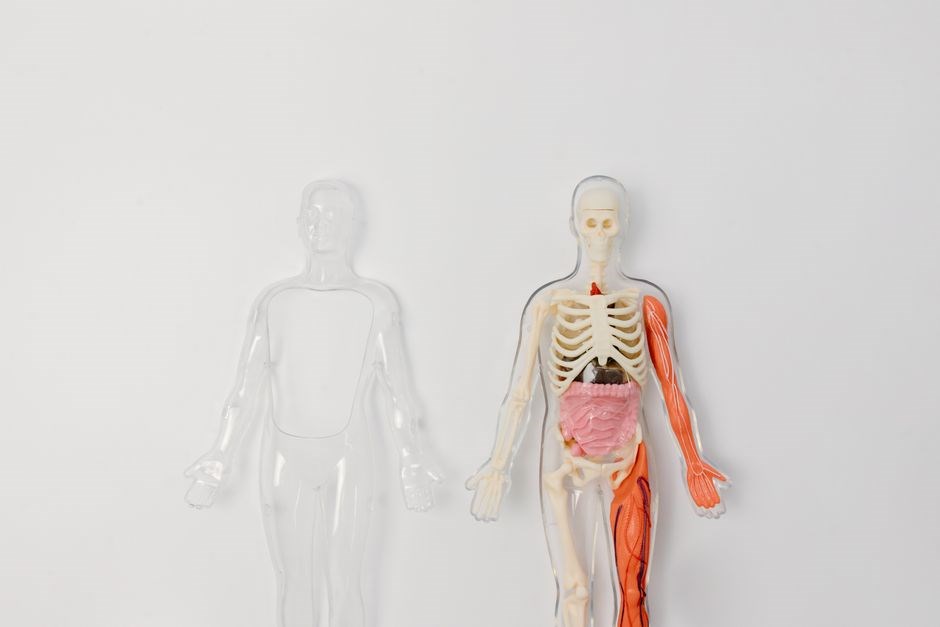
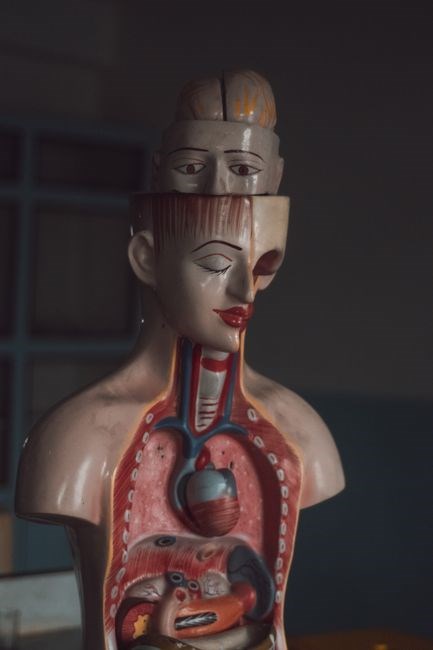
Illustrations in the 3rd‑edition PDF are purposefully crafted to reinforce the integrated narrative of anatomy and physiology. Each figure is accompanied by concise captions that highlight key relationships—such as the interplay between the nervous and muscular systems or the hormonal regulation of cardiovascular function. The layout employs a mix of line drawings‚ cross‑sectional views‚ and color‑coded schematics to accommodate diverse learning preferences. For example‚ a diagram of the autonomic nervous system juxtaposes sympathetic and parasympathetic pathways‚ while a separate figure shows how these pathways influence heart rate variability in real time. The authors also include dynamic flowcharts that trace signal transduction from receptor activation to cellular response‚ allowing readers to visualize complex biochemical cascades. Moreover‚ the PDF features interactive hotspots in select figures‚ enabling students to click on anatomical landmarks and receive pop‑up explanations or short audio clips. This multimodal approach not only aids retention but also encourages active engagement; The figures are organized chapter‑by‑chapter‚ with a consistent numbering system that aligns with the text’s cross‑references. In addition‚ the book provides downloadable image sets that can be used for study groups or classroom presentations. By integrating visual‚ textual‚ and interactive elements‚ the PDF transforms passive reading into an immersive learning experience‚ ensuring that visual learners and kinesthetic learners alike can grasp the intricacies of human biology. The meticulous design of each illustration underscores the authors’ commitment to clarity‚ precision‚ and pedagogical effectiveness‚ making the resource a valuable companion for both undergraduate and graduate courses. Students can export figures as high‑resolution PNGs for use in presentations or research posters‚ ensuring visual data and clarity! Ok