
Logitech X-530 Manual: A Comprehensive Guide
This guide details the Logitech X-530 speaker system, covering setup, troubleshooting, advanced settings, and maintenance, sourced from Internet Archive and ManualsLib resources․
The Logitech X-530 is a popular 5․1 surround sound speaker system designed to enhance your audio experience, whether for gaming, music, or movies․ Information available on the Internet Archive and ManualsLib highlights its widespread use and readily available documentation․ This system typically connects to computers and other audio devices via a 3․5mm audio jack․
Understanding the system’s components and controls is crucial for optimal performance․ The X-530 includes a control console, a subwoofer, and five satellite speakers․ Users can find detailed setup and installation guides online, including service manuals and user guides․ These resources provide step-by-step instructions for connecting the speakers and configuring the audio settings․
Key Features and Specifications
The Logitech X-530 boasts several key features, including 5․1 surround sound for immersive audio, a powerful subwoofer for deep bass, and a user-friendly control console․ Specifications, as detailed in available manuals, encompass frequency response, total harmonic distortion, and signal-to-noise ratio – crucial metrics for audio quality․
The system operates using standard AC power plugs and sockets․ It’s designed for connection to the audio line-out jack of computers or audio devices․ Online resources emphasize operating the speakers only from low-level audio outputs․ Further specifications, including power consumption, are available in the detailed technical documentation found on platforms like ManualsLib and the Internet Archive․

Setting Up Your Logitech X-530
Initial setup involves unboxing components, connecting to your computer via a 3․5mm jack, and powering on the system for optimal audio performance․
Unboxing and Component Check
Carefully unpack your Logitech X-530 speaker system․ Verify all components are present: the center speaker, four satellite speakers, the subwoofer, the control console, and necessary connection cables․ Inspect each item for any physical damage sustained during shipping․ The manual, available on resources like the Internet Archive, details each part․ Ensure you have the power cable and the 3․5mm audio cable․
Confirm the control console is included, as it houses essential volume and power controls․ Missing components should be reported to the retailer immediately․ Retain the original packaging for potential returns or warranty claims․ A thorough component check prevents issues during setup and ensures a complete system․
Connecting to Your Computer
Establishing a connection between your Logitech X-530 system and your computer is straightforward․ Locate the appropriate audio output ports on your computer – typically a green 3․5mm audio jack․ The manual, found on sites like ManualsLib, emphasizes using the line-out jack for optimal audio quality․ Avoid headphone jacks if possible, as they may yield lower volume․
Utilize the provided 3․5mm audio cable to connect the control console to your computer’s sound card․ Ensure a secure connection at both ends․ For advanced setups, consider digital connections if your computer supports them, though the X-530 primarily utilizes analog inputs․
Identifying Audio Output Ports
Locating the correct audio output port on your computer is crucial for proper X-530 functionality․ Typically, you’ll be searching for a green 3․5mm jack, clearly labeled for audio output or “line-out․” This port delivers a stronger signal than headphone jacks, recommended by resources like ManualsLib․
Desktop computers often have color-coded ports on the rear panel, while laptops usually feature a single combined headphone/microphone jack․ If using the latter, you may need an adapter․ Avoid using microphone input ports (usually pink) as they won’t transmit audio to the speakers․ Confirm your computer’s manual for precise port locations․
Connecting via 3․5mm Audio Jack
To connect your Logitech X-530 system, take a standard 3․5mm audio cable and firmly plug one end into the green audio output port on your computer, as identified previously․ Then, connect the other end into the corresponding input jack on the X-530 control console․ Ensure a secure connection to prevent signal loss or intermittent audio․

ManualsLib emphasizes operating the speakers solely from the low-level audio line-out jack․ Avoid connecting to headphone jacks if possible, as signal strength may differ․ Double-check the connection at both ends before powering on the system to guarantee proper audio transmission․
Powering On and Initial Configuration
Once connected, plug the X-530’s power adapter into a wall outlet․ Press the power button on the control console to activate the system․ Initially, set the subwoofer level to a moderate position – around the middle of its range – to avoid excessive bass․ Begin with a low master volume and gradually increase it to your desired listening level․
Verify that all satellite speakers are correctly connected and functioning․ The system should automatically detect the audio input․ If no sound is heard, revisit the connection steps and ensure the correct audio output port is selected on your computer․ Refer to the manual for specific troubleshooting steps․

Understanding the Control Console
The control console manages power, volume, and subwoofer levels for the X-530 system, offering straightforward adjustments for optimal audio performance․
Power and Volume Controls
The X-530’s control console features a prominent power button, initiating system operation․ Adjacent to this is the master volume knob, allowing for overall sound level adjustment․ Rotating clockwise increases volume, while counter-clockwise decreases it․ Precise control is key to achieving desired listening levels without distortion․
Additionally, the console incorporates individual volume controls for each satellite speaker, enabling customized sound balancing․ This feature is particularly useful for optimizing the surround sound experience based on room acoustics and personal preferences․ Careful adjustment of these controls ensures a balanced and immersive audio landscape․ Remember to operate the speakers with low-level audio line-out from your computer or audio device․
Subwoofer Level Adjustment
The Logitech X-530’s control console includes a dedicated subwoofer level control, crucial for fine-tuning the bass response․ This adjustment allows users to tailor the low-frequency output to their preference and room characteristics․ Rotating the knob clockwise increases the subwoofer’s volume, enhancing bass impact, while counter-clockwise rotation reduces it․
Careful adjustment is recommended to avoid overpowering the satellite speakers or creating unwanted distortion․ Experimentation is key to finding the optimal balance, ensuring a rich and immersive sound experience without muddiness․ Consider room size and acoustics when setting the subwoofer level for best results․ Proper subwoofer integration significantly enhances the overall audio quality․
Satellite Speaker Configuration
The Logitech X-530 utilizes five satellite speakers to deliver directional sound, creating a surround sound experience․ Proper placement is vital for optimal performance․ Position the front left and right speakers at ear level, angled slightly inwards towards the listening position․ The center speaker should be placed directly in front of you, ideally above or below the display․
Rear speakers should be positioned slightly behind the listening area, also at ear level, to complete the surround sound field․ Ensure all satellite speakers are equidistant from the listening position for balanced audio․ Experiment with slight adjustments to achieve the most immersive and accurate soundstage․

Troubleshooting Common Issues
This section addresses frequent problems with the Logitech X-530, including no sound, distortion, subwoofer malfunctions, and static interference, offering solutions․
No Sound Output
If you experience no sound from your Logitech X-530 system, begin by verifying the basic connections․ Ensure the 3․5mm audio jack is securely plugged into both the speaker’s control console and your computer’s correct audio output port – typically the line-out jack, not the microphone input․ Confirm the volume is not muted on either the speakers or your computer․
Next, check the power connection to the speakers and the control console․ A loose power cable can prevent operation․ Also, verify the correct input source is selected on the control console if multiple inputs are available․ If using a sound card, ensure it’s properly installed and configured within your operating system․ Finally, test with a different audio source to isolate whether the issue lies with the speakers or the original source device․
Distorted Sound
Distorted audio from your Logitech X-530 speakers often indicates an issue with the volume levels․ Begin by reducing the master volume on both the control console and your computer․ Excessive volume can overload the speakers, causing distortion․ Also, check the subwoofer level; a too-high setting can contribute to muddiness and distortion, particularly at lower frequencies․
Ensure the audio source file itself isn’t corrupted or of poor quality․ Try playing a different audio file to determine if the distortion persists․ Verify the speaker cables are securely connected to both the control console and the satellite speakers․ Finally, experiment with different equalizer settings to fine-tune the sound and minimize distortion․
Subwoofer Not Working
If your Logitech X-530’s subwoofer isn’t producing sound, first confirm it’s properly connected to the control console and a power outlet․ Verify the subwoofer level knob on the control console isn’t turned all the way down․ Increase the level gradually to see if sound returns․ Ensure the correct speaker configuration is selected in your computer’s sound settings – it should be set to 5․1 surround sound․
Test with different audio sources to rule out a file-specific issue․ If the problem persists, try swapping the subwoofer cable with another cable to eliminate a faulty cable as the cause․ A lack of bass in the audio source itself can also seem like the subwoofer isn’t working․
Static or Interference
Experiencing static or interference with your Logitech X-530 speakers? Begin by checking all cable connections – ensure they are secure and undamaged․ Keep the speaker cables away from power cables and other electronic devices to minimize electromagnetic interference․ Try a different power outlet, as some outlets may be noisier than others․
If using a wireless connection, move the receiver away from potential sources of interference like microwaves or cordless phones․ Confirm your audio source isn’t the cause of the static; test with different files or applications․ Grounding issues can also contribute; ensure your computer and speakers are properly grounded․

Advanced Settings and Customization
Explore equalizer adjustments, optimal speaker placement, and the differences between digital and analog connections to personalize your Logitech X-530 audio experience․
Equalizer Adjustments
The Logitech X-530, while lacking a dedicated hardware equalizer, benefits from software-based adjustments via your computer’s operating system․ Windows offers a built-in equalizer within its Sound settings, allowing you to modify frequency bands to tailor the sound profile․ Access this by right-clicking the sound icon in the system tray, selecting “Sounds,” navigating to the “Playback” tab, choosing your X-530 speakers, and then clicking “Properties․”
Within the “Enhancements” tab, you’ll typically find an equalizer option․ Experiment with presets like “Rock,” “Pop,” or “Classical,” or create a custom profile to boost or reduce specific frequencies․ Remember that adjustments are subjective; find what sounds best to you․ Consider boosting bass frequencies for a more immersive experience or reducing them to prevent distortion at high volumes․
Speaker Placement for Optimal Sound
To maximize the 5․1 surround sound experience with your Logitech X-530 system, strategic speaker placement is crucial․ Position the center speaker directly in front of you, ideally beneath or above your monitor․ The front left and right speakers should be angled slightly inward, flanking the center speaker, creating a soundstage․ Rear speakers should be placed behind the listening position, also angled inward, to deliver immersive surround effects․
The subwoofer, due to its non-directional nature, offers more flexibility․ Experiment with placement along walls or in corners to enhance bass response, but avoid placing it directly against walls to minimize unwanted vibrations․ Ensure all speakers are at ear level for optimal sound clarity and balance․
Digital vs․ Analog Connections
The Logitech X-530 primarily utilizes analog connections, specifically a 3․5mm audio jack, for compatibility with a wide range of devices; While digital connections (like optical or coaxial) aren’t natively supported, using a sound card with digital output and an external Digital-to-Analog Converter (DAC) could theoretically improve audio quality․ However, for most users, the analog connection provides sufficient fidelity․
Analog connections are simpler to set up and generally sufficient for typical listening․ Digital connections, when possible, can reduce noise and offer a cleaner signal, but the X-530’s inherent limitations may not fully realize the benefits․ Prioritize a quality audio source and proper speaker setup for the best results․

Maintenance and Care
Regular cleaning and protection from moisture and dust will extend the lifespan of your Logitech X-530 speakers, ensuring optimal performance and longevity․
Cleaning the Speakers
To maintain the pristine condition of your Logitech X-530 speakers, regular cleaning is essential․ Begin by disconnecting the speakers from the power source to ensure safety․ Use a soft, dry cloth to gently wipe down the speaker enclosures, removing dust and fingerprints․ Avoid using liquid cleaners or abrasive materials, as these can damage the finish․
For stubborn marks, lightly dampen the cloth with water and wring it out thoroughly before wiping․ Pay particular attention to the satellite speakers and the subwoofer grill․ Ensure no moisture enters the speaker drivers․ For the control console, a soft brush can effectively remove dust from the buttons and controls․ Consistent, gentle cleaning will preserve the aesthetic appeal and operational integrity of your X-530 system․
Protecting from Moisture and Dust
Safeguarding your Logitech X-530 speakers from moisture and dust is crucial for longevity․ Avoid placing the speakers in humid environments or areas prone to splashes․ Dust accumulation can impair sound quality and potentially damage internal components․ Regularly dust the speakers with a soft, dry cloth․
When not in use, consider covering the speakers to shield them from dust․ Ensure adequate ventilation around the subwoofer to prevent overheating․ Avoid direct sunlight exposure, as it can degrade the speaker materials․ Proper placement and preventative measures will significantly extend the lifespan and maintain the optimal performance of your X-530 speaker system, ensuring years of reliable audio enjoyment․
Long-Term Storage
Preparing your Logitech X-530 speakers for extended storage requires careful attention to prevent damage․ Before storing, thoroughly clean the speakers with a soft, dry cloth to remove dust and debris․ Disconnect all cables and store them separately to avoid tangling or strain․
Ideally, store the speakers in their original packaging, if available, to provide optimal protection․ If not, use a sturdy box with sufficient padding․ Choose a cool, dry location, away from direct sunlight and extreme temperatures․ Avoid stacking heavy objects on top of the speakers․ Periodically check the storage location to ensure conditions remain suitable, preserving your investment for future use․
Software Compatibility
The X-530 primarily functions without dedicated software, though Logitech Options, Logi Options, and Gaming/G HUB may support related Logitech peripherals․
Logitech Options Software
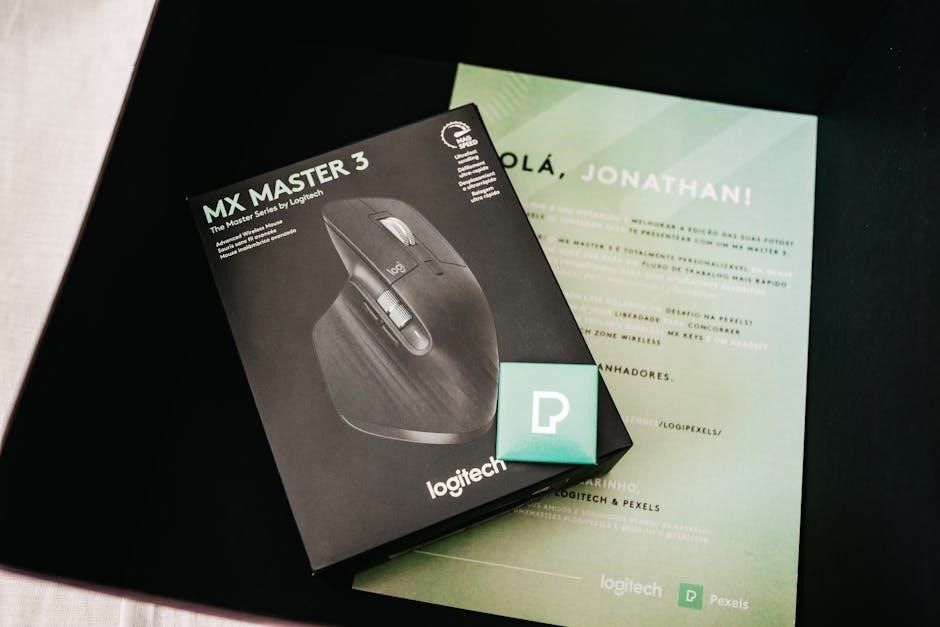
Logitech Options is a versatile software solution primarily designed for Logitech’s productivity-focused mice like the M590, M720, MX Master, and MX Anywhere series․ While not specifically tailored for the X-530 speaker system itself, it can manage compatible Logitech peripherals connected alongside the speakers․ Users appreciate its intuitive interface and extensive customization options, including programmable button assignments․
However, it’s important to note that older Logitech devices may not be fully supported by Options, requiring the use of older software versions․ The software’s compatibility list on the official Logitech website isn’t always exhaustive, so direct testing is recommended․ For newer devices, Logitech Options offers a superior experience compared to its predecessor․
Logi Options Software
Logi Options, alongside Logitech Options, caters to Logitech’s M/MX series mice, offering a refined user experience․ While primarily focused on mouse customization, it can coexist with the X-530 speaker system if other Logitech devices are in use․ The interface is generally considered more visually appealing and feature-rich than older software iterations․ Users can configure mouse side buttons and other settings with ease․
However, similar to Logitech Options, full compatibility with all older Logitech models isn’t guaranteed․ Newer devices are generally well-supported, but checking the official Logitech support list and testing are advised․ Logi Options is often preferred for its enhanced functionality, though some legacy devices may require the original Options software․
Logitech Gaming Software
Logitech Gaming Software, while primarily designed for gaming peripherals, may offer limited functionality when used alongside the Logitech X-530 speaker system; It’s less directly applicable than Logitech Options or Logi Options, which focus on broader device management․ However, it could potentially influence audio profiles if the X-530 is recognized as an audio output device within the software’s settings․
Compatibility is not guaranteed, and the software’s features are unlikely to offer specific X-530 customization options․ It’s generally recommended to utilize Logitech Options or Logi Options for optimal control over Logitech devices, including the X-530, rather than relying on Logitech Gaming Software for speaker-specific adjustments․
Logitech G HUB Software
Logitech G HUB, the newer software platform, similarly to Logitech Gaming Software, doesn’t provide dedicated, extensive support for the Logitech X-530 speaker system․ While G HUB excels at managing gaming peripherals, its capabilities regarding older speaker models like the X-530 are limited․ It might recognize the X-530 as a general audio output device, allowing basic volume control․
However, users shouldn’t expect advanced customization options or equalizer settings specifically tailored for the X-530 within G HUB․ For comprehensive control and configuration, Logitech Options or Logi Options remain the preferred software solutions; G HUB’s focus lies primarily on newer Logitech G products, making it less suitable for legacy devices․

Technical Specifications in Detail
Detailed specs, including frequency response, total harmonic distortion, signal-to-noise ratio, and power consumption, define the Logitech X-530’s audio performance characteristics․
Frequency Response
The frequency response of the Logitech X-530 speaker system is a crucial specification, indicating the range of frequencies the speakers can accurately reproduce․ While precise figures vary slightly depending on the source and testing conditions, the X-530 generally delivers a frequency response of 40Hz – 20kHz․ This means the system can reproduce sounds from the deep bass of 40Hz up to the high-pitched sounds of 20kHz, covering most of the audible spectrum for the average human ear․
A wider frequency response generally indicates a more complete and accurate sound reproduction․ The X-530’s response is suitable for music, movies, and gaming, providing a reasonably full sound experience․ However, it’s important to note that the lower end (40Hz) might not deliver the most impactful bass compared to systems with a lower frequency extension․

Total Harmonic Distortion
Total Harmonic Distortion (THD) measures the percentage of unwanted harmonic frequencies added to the original audio signal during amplification․ Lower THD values indicate a cleaner, more accurate sound reproduction․ The Logitech X-530 typically exhibits a THD of less than 0․5% at its rated power output․ This means that less than 0․5% of the sound you hear is distortion – a relatively low level for a speaker system in its price range․
While some distortion is inevitable in any audio system, excessive THD can result in a muddy or harsh sound․ The X-530’s THD level is generally considered acceptable for casual listening, gaming, and home entertainment purposes, providing a reasonably clear and enjoyable audio experience․ Higher volumes may slightly increase THD․
Signal-to-Noise Ratio
Signal-to-Noise Ratio (SNR) defines the difference between the desired audio signal and the background noise level, expressed in decibels (dB)․ A higher SNR indicates a clearer signal with less audible noise․ The Logitech X-530 boasts an SNR of greater than 75dB, signifying a good level of clarity․ This means the audio signal is significantly stronger than any inherent noise produced by the system’s components․
A higher SNR translates to a more immersive listening experience, particularly during quiet passages of music or in-game sound effects․ While some background hiss might be perceptible at very high volumes or in a completely silent room, the X-530’s SNR generally ensures a clean and enjoyable audio output for typical usage scenarios․
Power Consumption
Understanding power consumption is crucial for efficient energy use and compatibility with your power supply․ The Logitech X-530 speaker system operates on standard AC power, typically ranging from 110-240 volts, accommodating various regional standards․ The total power consumption of the X-530 is approximately 40 watts (RMS)․ This figure represents the average power drawn during typical audio playback at moderate volume levels․
Peak power consumption may briefly exceed 40 watts during dynamic audio passages with significant bass or volume spikes․ It’s advisable to connect the X-530 to a surge protector to safeguard against power fluctuations․ Lowering the volume or utilizing the power-saving features (if available) can reduce overall energy usage․